
 Login
LoginLat Pulldown: Building a Powerful Back
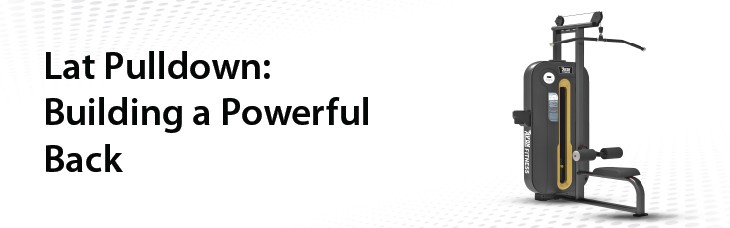
Want a bigger back? The lat pulldown delivers.
Most training programmes pile on rows and deadlifts. Fair enough. Yet something gets missed in all that heavy lifting: the specific muscle-building magic this movement brings to the table.
What Are Lats?
Those V-shaped muscles across the back? Latissimus dorsi.
Big muscles. Important ones, actually. They link arms to spine and handle more jobs than most people realise. Spine stability comes from here. Protection too. Shoulder power originates in these muscles, along with the strength behind most arm movements. Even standing tall with proper posture throughout the day depends partly on lat engagement.
Think of them as the foundation. Everything else builds on top.
The Value of Lat Pulldown Machines
Pull-ups? Brilliant exercise. Also incredibly tough for most people.
Getting the form right takes weeks. Sometimes months. The strength requirement alone stops beginners before they start. Here's where the lat pulldown machine becomes essential rather than optional. It allows weight adjustment. Complete control over each rep. Progressive training becomes possible whilst technique stays razor-sharp.
Does this mean pull-ups get abandoned?
Absolutely... not the point here. The lat pulldown exercise targets back muscles with surgical precision. Free weights demand stabilisation from dozens of smaller muscles. This machine-based approach? Pure lat focus. The muscle engagement improves. Development accelerates. Simple as that.
Single-Arm Lat Pulldown
Both arms together move more weight. True.
The single-arm approach does something different, though. Something better for certain goals. Muscle awareness shoots up. The feeling of contraction becomes crystal clear. Lighter loads work perfectly here. Slow the tempo down. Really slow. Hold that bottom position for three seconds, maybe five. The controlled release back to the start amplifies every muscle-building signal the body receives.
One arm at a time also reveals the truth about strength imbalances. Is the left side always slightly weaker? This variation exposes it, then fixes it over time.
Four Practical Variations
Wide-Grip Lat Pulldown
Taking a wider grip hits the outer lats harder. This builds back width over time. The key is squeezing the shoulder blades together at the bottom. Leaning back excessively reduces the work on the target muscles. Keeping the torso mostly upright maintains tension where it matters. This variation also builds the strength needed for bodyweight pull-ups.
Single-Arm Lat Pulldown
Using one arm at a time changes the exercise completely. The bilateral version lets lifters move heavier weights. The single-arm approach improves the feeling of muscle contraction. Lighter weight works better here. Slowing down the movement and pausing at the bottom creates a stronger stimulus. This addresses any strength differences between sides.
Behind the Neck Lat Pulldown
This version gets mixed reactions. Some people lack shoulder flexibility for it. Others can do it comfortably and gain benefits from a different angle. Starting light and doing more reps makes sense. Testing this movement at gyms or visiting fitness equipment stores near me provides hands-on experience with quality machines before committing. The shoulders either handle the position well or signal discomfort. Listen to that feedback. When the movement feels smooth and controlled, it becomes another useful tool.
Reverse Close-Grip Lat Pulldown
An underhand grip with hands close together shifts emphasis to the lower lats. The biceps get more involved, too, similar to chin-ups. Bringing the hands closer activates the middle back more intensely. This makes it valuable for both size and strength gains.
Form Mistakes That Limit Results
Using Arm Strength
The forearms and biceps should play a minor role. The back muscles below the armpits need to drive the movement. Thinking about pulling from the lats rather than the hands helps activate the right muscles.
Gripping Too Wide
Beginners should place their hands just past shoulder width. Going too wide reduces the range of motion and muscle stretch. The elbows need to point down throughout the movement rather than flaring out to the sides.
Arching Excessively
The chest stays lifted, but the spine stays neutral. Too much arch in the lower back creates injury risk. Sitting up straight with the core engaged protects the spine during heavy sets.
Pulling Too Low
The bar should stop around chest level. Going lower forces the elbows backwards and puts strain on the shoulder joints. Respecting the natural range prevents problems down the line.
Going Too Fast
Speed kills the effectiveness of this exercise. Moving slowly maintains constant tension on the muscles. Fast reps rely on momentum instead of muscular effort. Each rep should take several seconds to complete.
Starting Smart
Lightweight teaches proper form. Anyone with joint issues in the wrists, elbows or shoulders should check with a doctor first. Medical clearance prevents aggravating existing problems.
Finding good equipment matters. Local searches for fitness equipment stores near me turn up options for testing machines. Avon Fitness Machines and similar suppliers stock various lat pulldown machine models. Different budgets and space requirements get met by different equipment choices.
Good machines have smooth cables, adequate padding and seats that adjust easily. These features make proper form easier to maintain session after session. Testing before buying ensures the equipment suits individual needs.
Programming Lat Pulldowns
The lat pulldown deserves a main slot in back workouts rather than an afterthought. Different grips and variations target slightly different areas of the lats. Rotating between them prevents boredom and covers all angles of development.
Adding weight gradually over weeks and months drives progress. The lats respond well to both heavy weight for lower reps and lighter weight for higher reps. Mixing rep ranges produces the best overall results.
Pairing the lat pulldown exercise with rows and deadlifts creates complete back development. Each movement contributes something unique. Rows build thickness. Deadlifts add overall mass. Lat pulldowns create width and definition.
Equipment Considerations
Home gyms benefit from compact lat pulldown machine options. Commercial gyms typically stock heavy-duty cable stations. Both serve the same purpose but fit different contexts. The machine needs enough weight plates to allow progression over time. Cheap cables fray and pulleys stick, which disrupts training flow.
Results Timeline
Consistent training produces noticeable changes within weeks. Back width increases become visible after a few months of dedicated work. Strength gains show up faster than size gains. Being able to handle heavier weights or do more reps signals progress even before visible changes appear.
The lat pulldown works reliably for beginners and advanced lifters alike. Proper form beats a heavyweight every time. Mastering the movement pattern pays dividends for years of training ahead.
