
 Login
LoginHome Gym Equipment Checklist: Everything You Need to Get Started
Setting up a home gym usually begins with excitement.
Then the tabs multiply.
So do opinions.
There’s suddenly too much to choose from, and very little clarity on where to begin. Machines look impressive. Setups look complete. But none of it answers the simplest question.
What do I actually need to get started?
This checklist is meant for that moment. For people planning a home gym setup who want to move forward without buying things they won’t use, or skipping things they’ll miss later. It’s not about building a perfect gym. It’s about building a workable one.
Start with what’s non-negotiable
Every home gym needs a base. Something that makes movement easy on most days, even the low-energy ones.
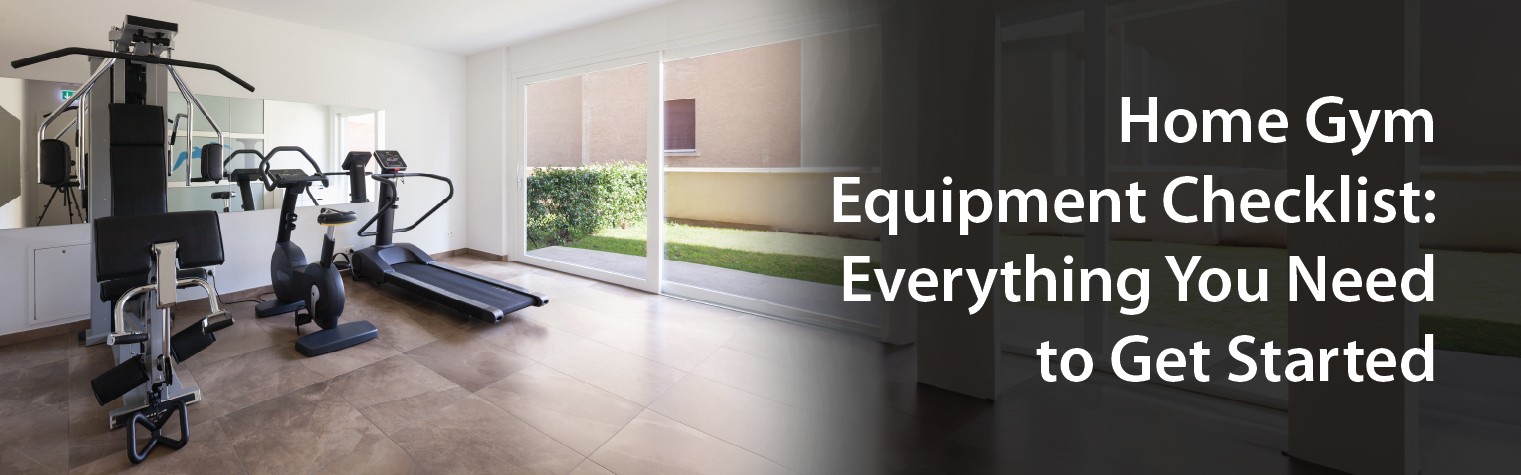
This is where basic Home Gym Equipment matters more than variety. Cardio equipment usually sits at the centre of this stage. A treadmill or an exercise bike is familiar, requires no learning curve, and fits naturally into daily routines.
You step on. You move. You’re done thinking.
For beginners, this kind of equipment does more than burn calories. It establishes rhythm. And rhythm is what keeps fitness from becoming sporadic.
Add strength, but keep it contained
Strength training is where people often overcomplicate things. Free weights, attachments, racks, accessories. All useful, but not all necessary at the start.
A home gym machine or multi-station setup simplifies this dramatically. Multiple exercises in one place. Chest, back, arms, legs, core. You don’t move equipment around. You don’t rethink your workout every day.
This is why Home GYM Equipment All In One solutions tend to work so well for first-time setups. They don’t limit progress. They organise it.
Brands like Avon Fitness Machines build these systems with home users in mind. Compact enough to fit into real living spaces, yet flexible enough to support different training styles as routines evolve.
Think about space before you think about upgrades
One of the most common mistakes in home GYM setup is treating space as an afterthought.
Equipment needs room to exist comfortably. Not just physically, but mentally. If setting up or moving around feels like effort, workouts slowly stop happening. This is where compact designs and all-in-one systems quietly win. They leave space for movement, not clutter.
Optional upgrades come later, not first
Once the habit settles in, you’ll feel it. Workouts feel regular. The routine stops feeling new.
That’s when optional upgrades start to make sense. Adjustable benches. Extra resistance options. Secondary cardio equipment for variety. These additions work best when they support an already functioning setup, not when they’re expected to create one.
When buying becomes a considered decision
At some point, people stop browsing out of curiosity. They start comparing seriously. That’s usually when searches like GYM Equipment Stores Near Me begin to show up.
Not because something is missing.
But because the home gym has become part of daily life.
At this stage, novelty fades in importance. What matters more is how equipment holds up, how it feels after regular use, and whether the brand behind it understands long-term fitness, not just first impressions.
A setup that doesn’t need constant fixing
The best home gym equipment doesn’t push you to upgrade every few months. It grows quietly with you.
Starting with essentials, choosing an all-in-one strength solution, and adding upgrades only when they serve a purpose keeps the setup practical. Fitness stays simple. The routine stays intact.
That’s when a home gym stops being an idea you planned and becomes something you actually use.
